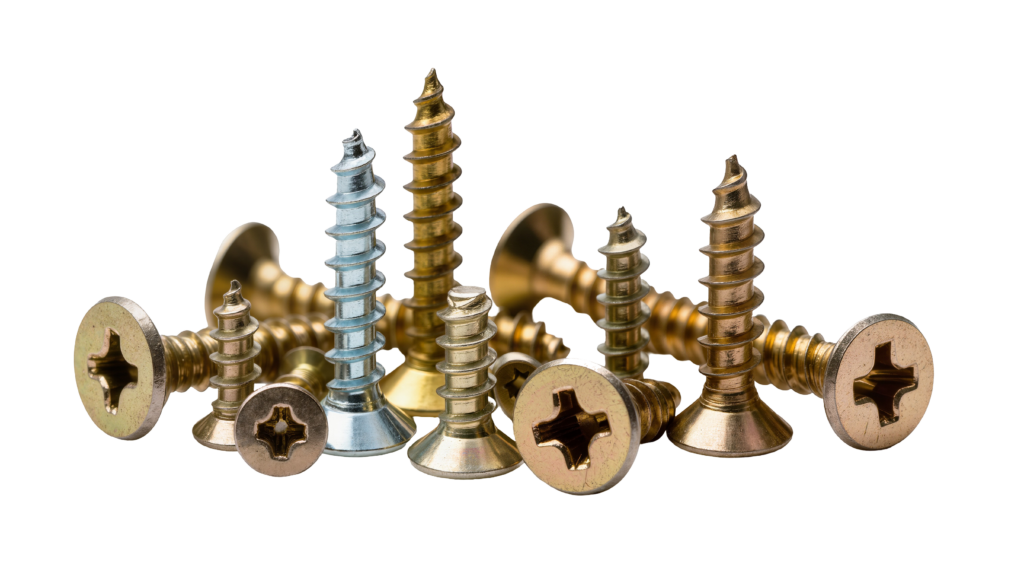
Choose drywall screws for fixing plasterboard to compatible timber or metal supports. N E Fasteners supplies options for drylining work, helping you match the fixing to the board, supporting frame and installation method.
Buy drywall screws online through Screwshop. Compare the current product details, sizes, pack quantities, prices and availability before ordering.
Range Highlights:
- Thread choices for different supporting frames
- Loose and collated supply options
- Product sizes and pack details available online

Product Selector
Choose Your Drywall Screws
Choose around the support behind the board. Coarse thread drywall screws are commonly selected for timber, while fine thread options suit specified metal framing. Match the point and screw specification to the frame thickness.
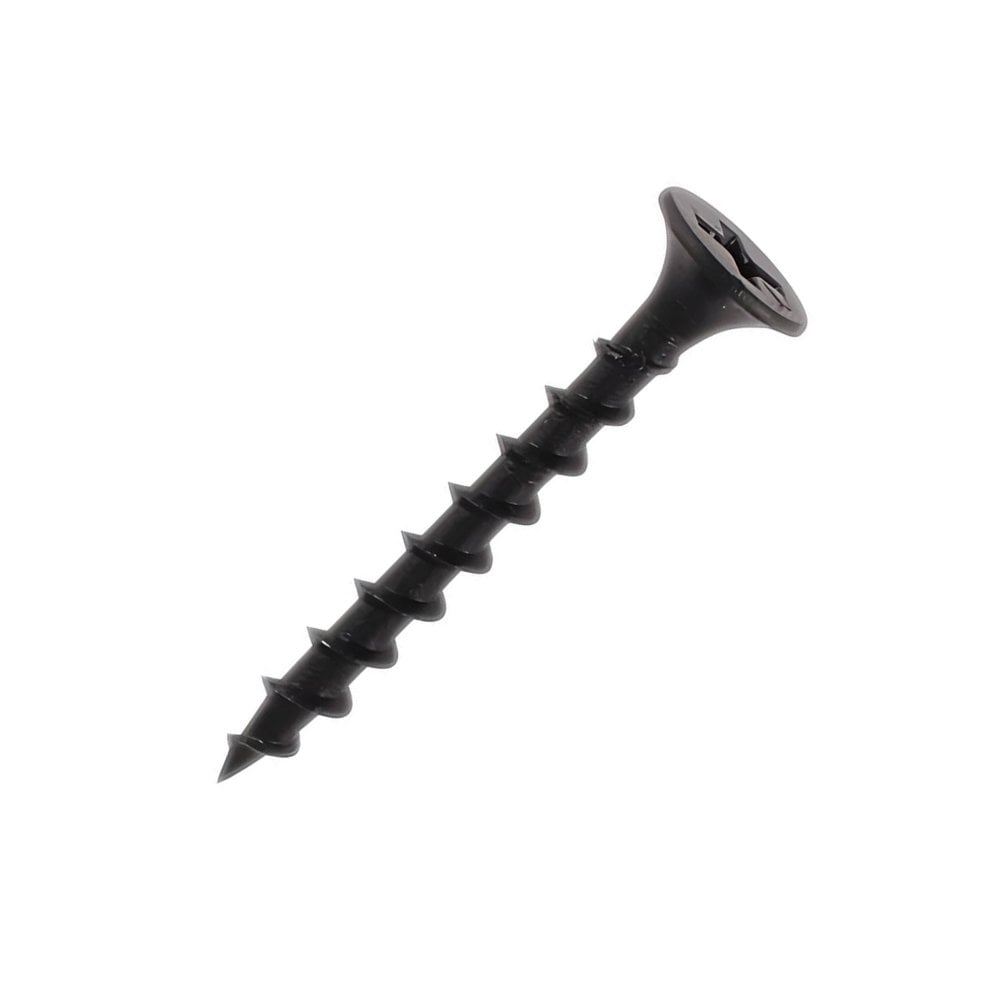
Coarse Thread Drywall Screws
Coarse thread plasterboard screws are intended for compatible timber supports. Choose a length that accounts for the board build-up and the penetration required by the board system.
Use a screw designed for plasterboard so the head can seat correctly. The board facing should remain intact around the fixing.
Key Features:
- Coarse thread profile
- For suitable timber framing
- Head designed for plasterboard fixing
- Choice of screw lengths
- Pack quantities shown online
- Selection around the board system
Fine Thread Drywall Screws
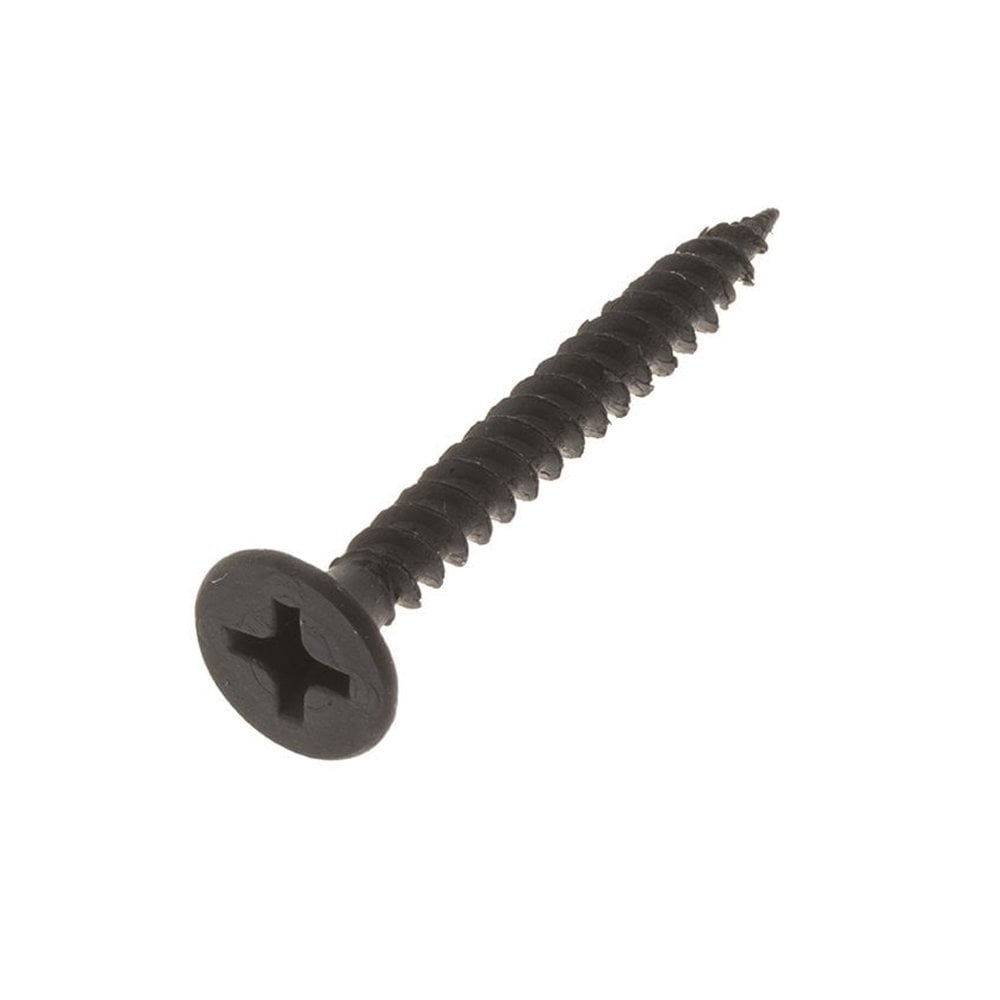
Fine thread drywall screws are commonly used for plasterboard on compatible metal framing. Check the screw’s permitted metal thickness and point type before installation.
Self-drilling and sharp-point products serve different frame requirements. Fine thread alone does not confirm that a screw can penetrate every metal section.
Choose loose or compatible collated screws around your tool and workload. Confirm that any collated strip matches the screw gun attachment.
Key Features:
- Fine thread profile
- For specified metal framing
- Point type checked by product
- Head suited to board fixing
- Choice of screw lengths
- Controlled-depth installation
- Tool and feed compatibility checked before use
Product Definition
What Is a Drywall Screw?
A drywall screw is a specialist fixing used to attach plasterboard to a suitable supporting frame. It is also commonly called a plasterboard screw.
The thread and point need to suit the timber or metal support behind the board. The screw head must seat below the surface without tearing through the paper facing.
Screw selection follows the board system’s requirements, including board thickness, number of layers, frame type and fixing positions.
Drywall screws are board-to-frame fixings. Attaching a shelf or bracket to a completed plasterboard wall usually needs a separate fixing designed for the wall and load.
Product Comparison
Coarse or Fine Thread Drywall Screws?
Identify the supporting frame before choosing drywall screws. Match the thread and point to timber or the specified metal thickness, then select the length and feed format for the board system.
| Comparison Point | Coarse Thread Drywall Screws | Fine Thread Drywall Screws |
|---|---|---|
| Head | Plasterboard-fixing head | Plasterboard-fixing head |
| Point | Check the timber-fixing product | Match the permitted metal thickness |
| Thread | Coarse thread | Fine thread |
| Finish | Check coating and exposure guidance | Check coating and exposure guidance |
| Selection | Compatible timber supports | Specified metal supports |
| Installation | Controlled-depth driving | Controlled-depth driving |
| Tool feed | Check loose or collated format | Check loose or collated format |
| Preparation | Follow board and screw guidance | Follow board and screw guidance |
| Washer | Use only if required by board system | Use only if required by board system |
| Support | Timber framing | Compatible metal framing |
Select the fixing for the complete connection. Head style, material, dimensions and installation all affect suitability; a product name alone does not provide a load rating.
Applications
What Are Drywall Screws Used For?
Choose drywall screws for applications supported by the selected product. Match the fixing to the receiving material, fitting and conditions. Typical selection considerations include:

Plasterboard on Timber Studs
Choose coarse thread screws and suitable penetration for a compatible timber-stud partition.

Plasterboard on Metal Studs
Match the screw thread and point to the metal section thickness specified by the system.

Plasterboard Ceilings
Follow the ceiling system’s board, support and fixing requirements, including length and screw spacing.

Drylining Partitions
Select screws around the partition’s board build-up, frame material and required installation method.
Multi-Layer Board Systems
Use the specified lengths and fixing pattern for each board layer; do not assume one screw length suits all layers.
Replacement Plasterboard
Check the condition and position of the supporting frame before fitting new board.
Collated Screw Gun Work
Choose compatible collated screws for the feed attachment and adjust the tool for the required depth.
Detail and Repair Work
Use appropriate board fixings where sound framing is available, protecting the board edge and paper facing.
Important: Suitability depends on the specific screw, materials, connection and application. Check the individual product specification before use.
Installation
How to Install Drywall Screws in Plasterboard
Support the board and follow the drylining system’s fixing pattern. Use controlled depth so each screw seats correctly without breaking the paper facing.
- Identify the frame material and choose a compatible drywall screw.
- Select length for the board layers and required penetration.
- Position and support the plasterboard as the system requires.
- Mark or locate the framing and required fixing positions.
- Use a matched bit or compatible collated screw gun.
- Drive each screw to the depth specified by the board system.
- Check that the head is recessed correctly and the surrounding paper remains intact.
Do Drywall Screws Need Pilot Holes?
Routine plasterboard fixing often uses screws designed for direct insertion into compatible framing. Preparation and screw selection still depend on:
- Timber or metal support
- Metal thickness where relevant
- Sharp-point or self-drilling design
- Board type and thickness
- Number of board layers
- Required penetration into the support
- Board-system installation instructions
Wall Compatiblity
Can Drywall Screws Be Used in Brick or Concrete?
Drywall screws are intended for compatible board-to-frame fixing. They should not be treated as direct masonry screws or substituted for the anchors required by a wall-lining system.
How Do You Fix Items to a Plasterboard Wall?
A shelf, bracket or other item fixed to plasterboard needs a fixing suited to the wall construction and load. Ordinary drywall screws alone do not provide a reliable fixing into unsupported board.
Check the Wall Fixing Against:
- Plasterboard type and thickness
- Number of board layers
- Cavity depth and obstructions
- Timber or metal support positions
- Item weight and loading direction
- Selected wall-fixing instructions
Board Fixing Comparison
Drywall Screws vs General Wood Screws
Drywall screws are designed around plasterboard installation, including controlled head seating. General wood screws serve timber-fixing applications and should not replace the board system’s specified screw.
| Drywall screw | General wood screw |
|---|---|
| Board-to-frame fixing | Timber-fixing applications |
| Head chosen for board seating | Head chosen for timber or hardware |
| Thread matched to support type | Thread matched to timber use |
| Length follows board-system requirements | Length follows timber-joint requirements |
| Depth protects the board facing | Seating follows the fitting or joint |
| Use specified drylining fixings | Use specified timber fixings |
Drywall screws and plasterboard screws are commonly used as equivalent terms. Cement board and specialist dense boards may require different specified fasteners.
Compare performance data for the intended connection. Material, dimensions, substrate and installation matter more than assuming one screw type is always stronger.
Finishes and Environments
Drywall Screw Finishes and Suitable Environments
Match the screw coating to the board system and installation environment. A standard interior plasterboard screw should not be assumed suitable for outdoor or persistently wet use.
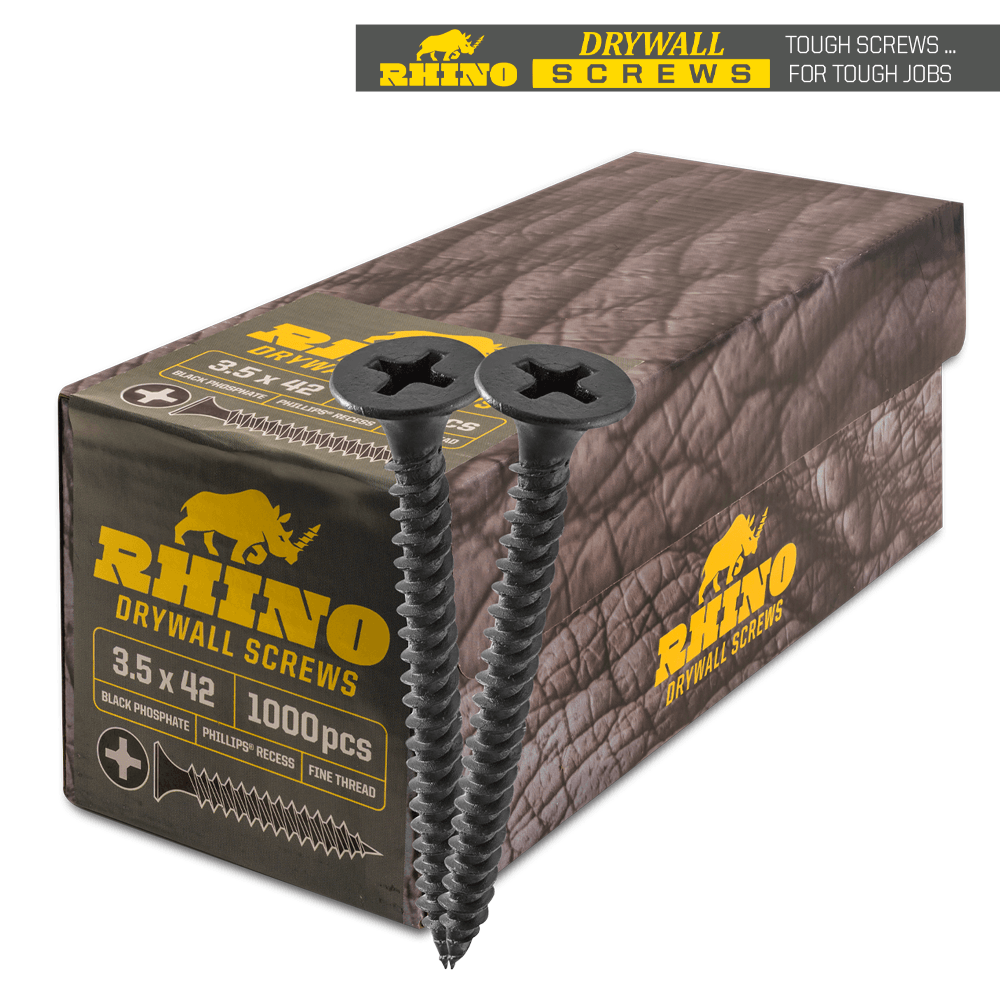
Black Phosphate Drywall Screws
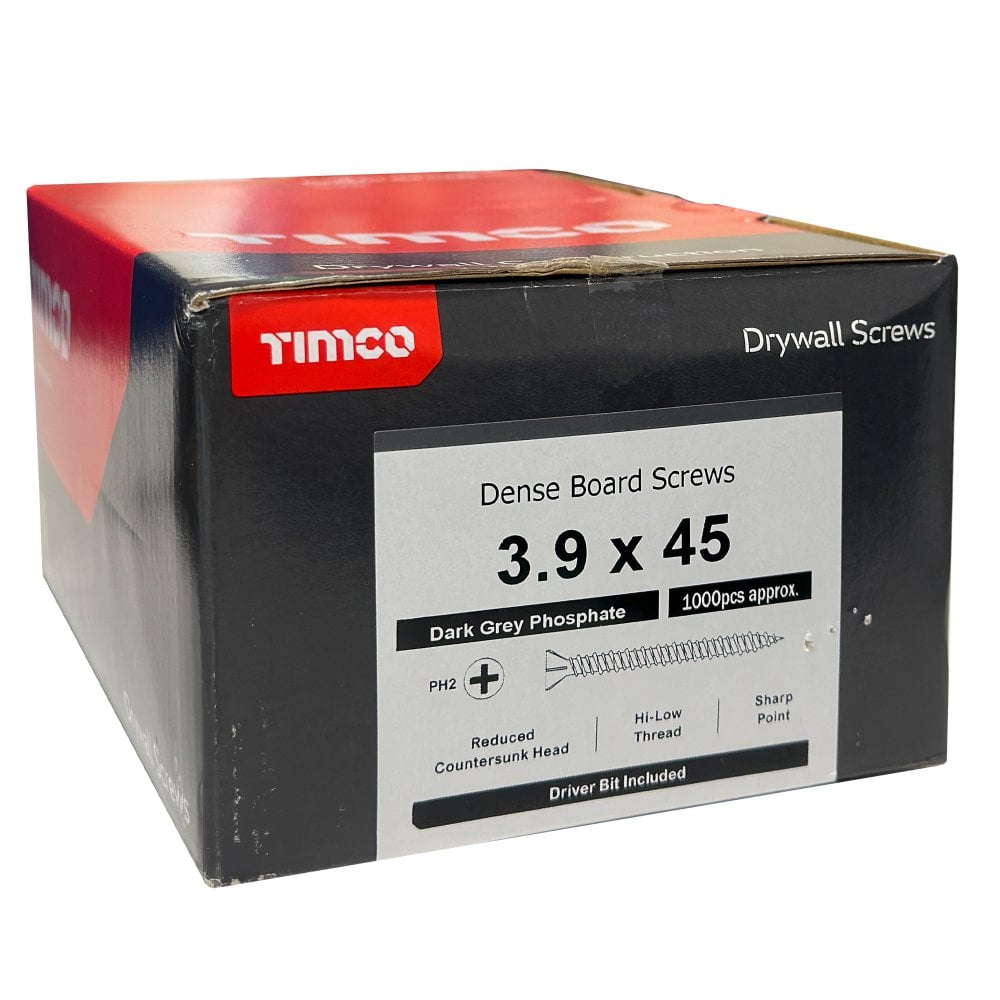
Black phosphate screws are commonly supplied for interior drylining. Confirm suitability for the selected board system and conditions.
A dark phosphate finish is not an exterior corrosion rating.
For damp locations, check the board system and use the specified corrosion protection.
Zinc and Specialist Board Fixings
Some board and metal-frame applications use different coatings or screw designs. Check the relevant product and system requirements.
Cement board, dense board and standard plasterboard should not be treated as identical screw applications.
Sizes and Packs
Drywall Screws Sizes and Pack Options
Choose drywall screws in dimensions and quantities suited to the job. Use the individual Screwshop listings to confirm the available combinations.
Before Ordering, Check:
- Screw diameter
- Overall screw length
- Thread and point design
- Head dimensions and drive size
- Pack quantity
- Material and finish
- Current stock
- Current price
Pack contents vary by product. Check the stated quantity and any included accessories on the selected listing.
Screwshop provides the current purchasing information. For a particular quantity or specification, contact N E Fasteners with your requirements.
Why N E Fasteners
Why Buy Drywall Screws from N E Fasteners?
Find drywall screws for your project through N E Fasteners, with online buying through Screwshop and a contact route for trade and specific supply requirements.
Reasons to buy through N E Fasteners:
- Specialist fastener supplier
- Established in 1985
- Family-run business
- Product information to help match the fixing to the job
- Sizes and pack options shown on Screwshop
- Online ordering through Screwshop
- Contact route for bulk and specific fastener enquiries
Tell us the dimensions, quantities and application you need help with so we can respond to your fastener supply enquiry.
Frequently Asked Questions
Drywall Screws FAQs
Drywall screws attach plasterboard to compatible timber or metal framing. Select them using the board system’s requirements for thread, point, length and fixing depth.
The terms commonly refer to the same type of board-to-frame fixing. Check the product details for the support material and board system it is intended for.
Many are intended for direct installation into compatible framing. Follow the screw and board instructions, especially where metal thickness determines the required point design.
Coarse thread is commonly chosen for timber supports; fine thread is commonly chosen for specified metal framing. Confirm the product’s permitted support and metal thickness.
They should not replace masonry screws or anchors. For a wall-lining system attached to brick, use the masonry fixings specified by the system.
Use the fastener specified by the plasterboard system. A general wood screw may have an unsuitable head or performance for board installation.
Standard interior products should not be assumed suitable. Exterior board systems need fixings with the material, coating and performance required by that system.
Seat the head to the board system’s specified depth without tearing the paper facing. Overdriving can weaken the fixing at the board.
Choose for the total board thickness and required penetration into the support. Follow the system’s requirements for timber or metal framing and multiple board layers.
Check screw length, strip format and feed compatibility against the tool and attachment. Collated screws are not universally interchangeable between tools.
Buy Drywall Screws Online
Choose drywall screws for the fitting, receiving material and environment. Compare the individual product details before selecting a size.
Visit Screwshop for current sizes, pack quantities, stock and prices. For bulk or specific supply requirements, contact N E Fasteners and tell us what your project needs.